Homework and Active Learning for General Chemistry 1 and 2
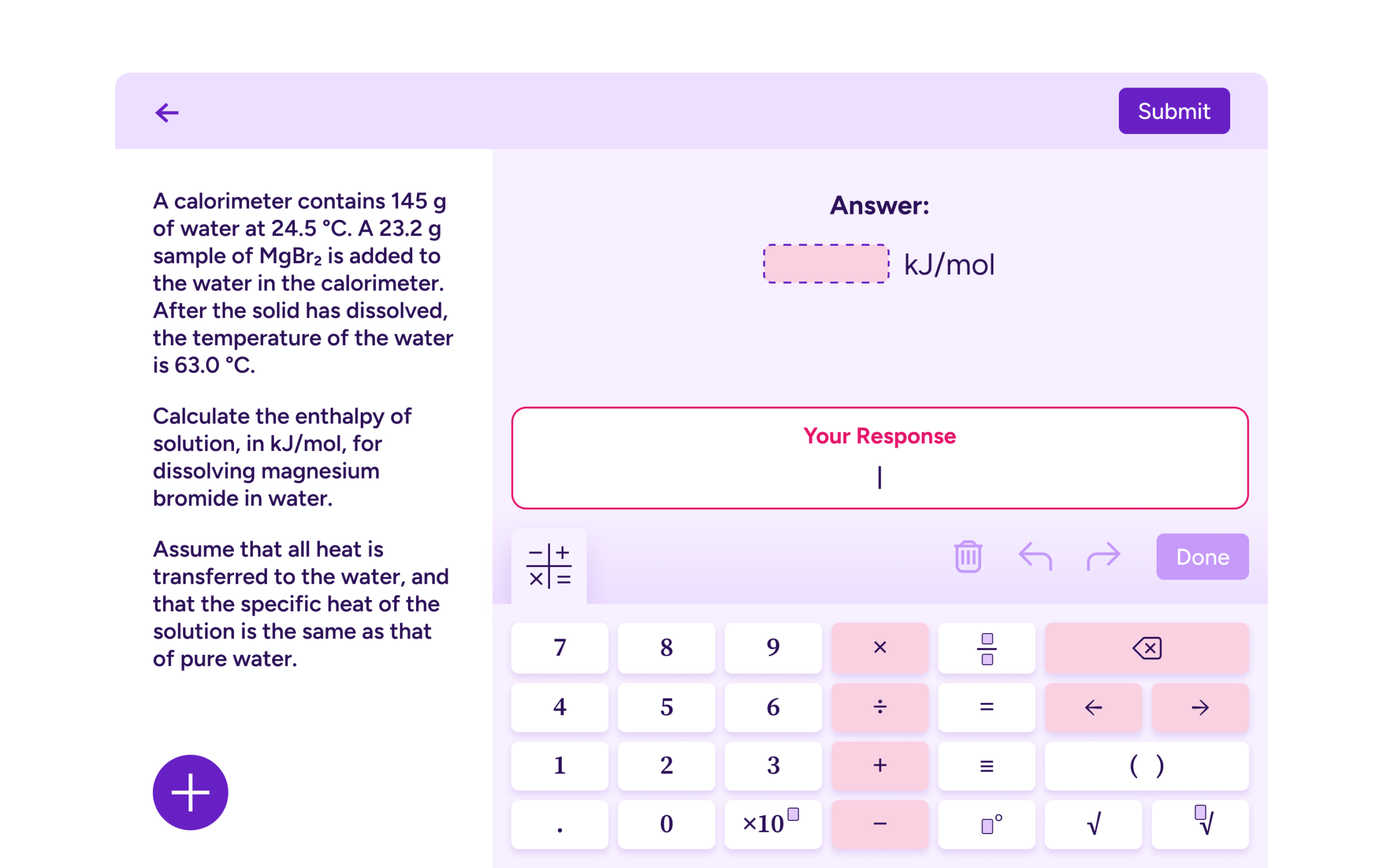
Build student confidence with auto-graded assignments, interactive practice and targeted feedback. Choose from an extensive question library for in-class activities, quizzes and exams.
Works with any General Chemistry textbook, including free OpenStax
Keep your current textbook. Aktiv covers the full General Chemistry sequence, from stoichiometry and atomic structure to equilibrium and thermodynamics.
Math Foundations
Study of Chemistry
Components of Matter
Chemical Nomenclature
Stoichiometry & Chemical
Reactions
Aqueous Solutions
Gases
Thermochemistry
Quantum Theory & Atomic Structure
Electron Configurations
Chemical Periodicity
Chemical Bonding & Structure
Intermolecular Forces & Solids
Physical Properties of Solutions
Chemical Kinetics
Chemical Equilibrium
Acid-Base Equilibria
Solubility
Chemical
Thermodynamics
Electrochemistry
Nuclear Chemistry
Transition Metal
Chemistry
Introduction to Organic
Chemistry
Aktiv rewards the journey, not just the end result
Students work through problems, get targeted guidance and strengthen their skills along the way.
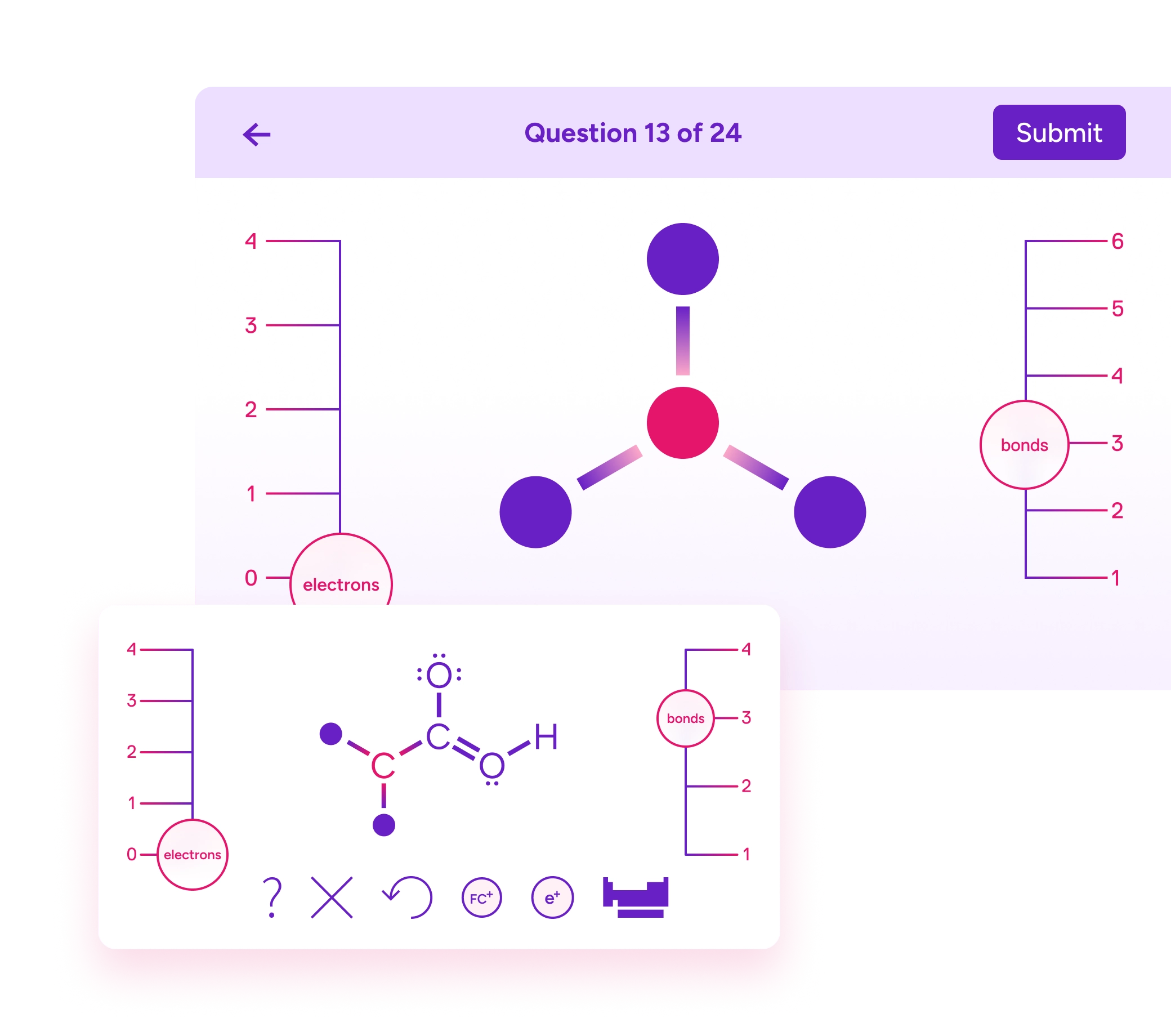
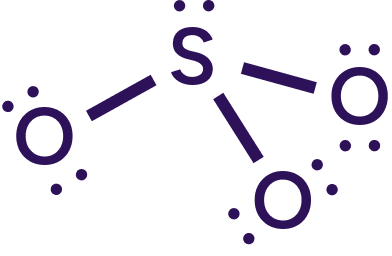
Lewis Structures
Students draw Lewis structures and visualize VSEPR with an intuitive, game-like interface that makes learning fun.
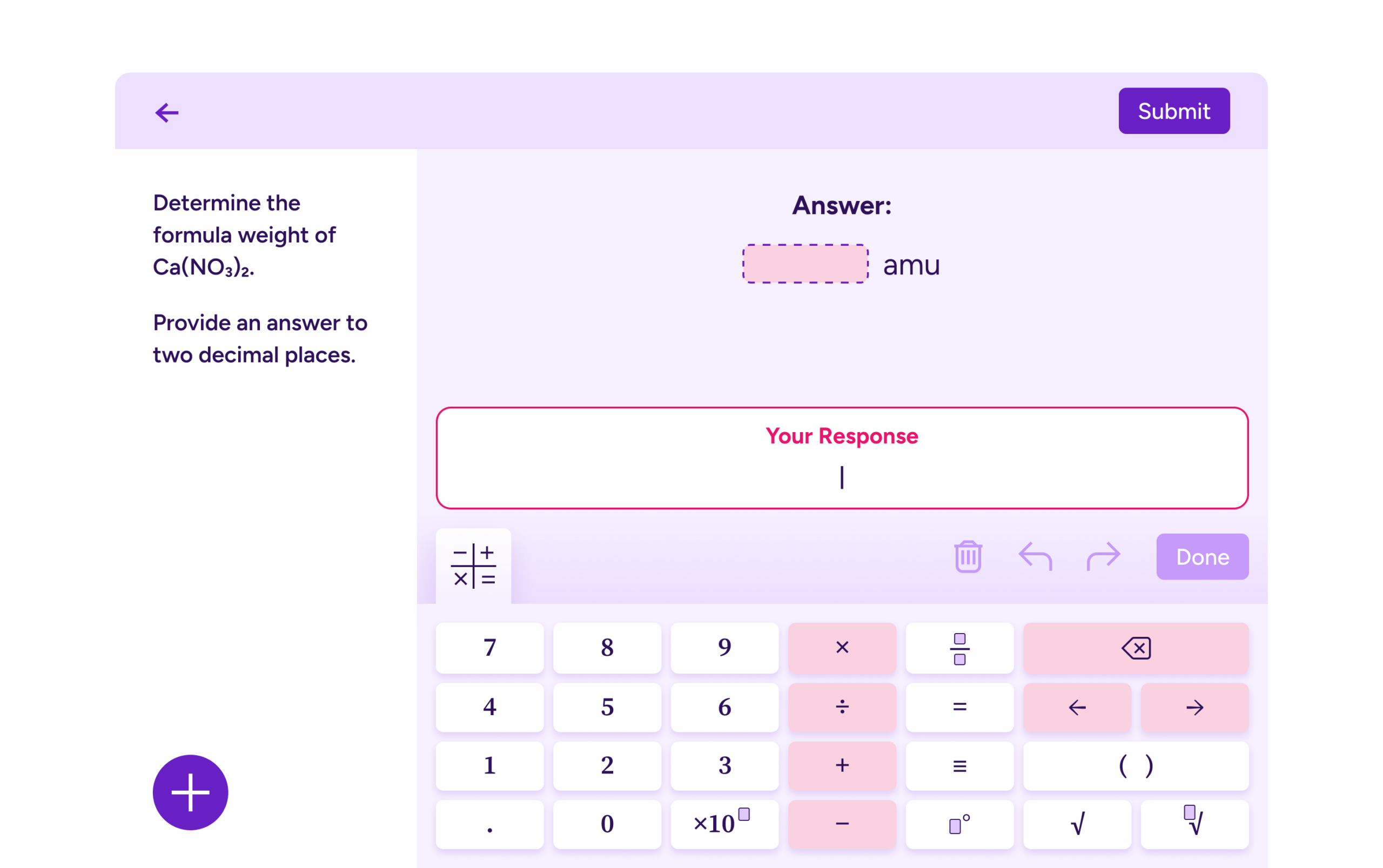
Dimensional Analysis
Students drag-and-drop tiles to set up scaffolded conversions with units, stoichiometry, densities, concentrations, and much more.
Nomenclature
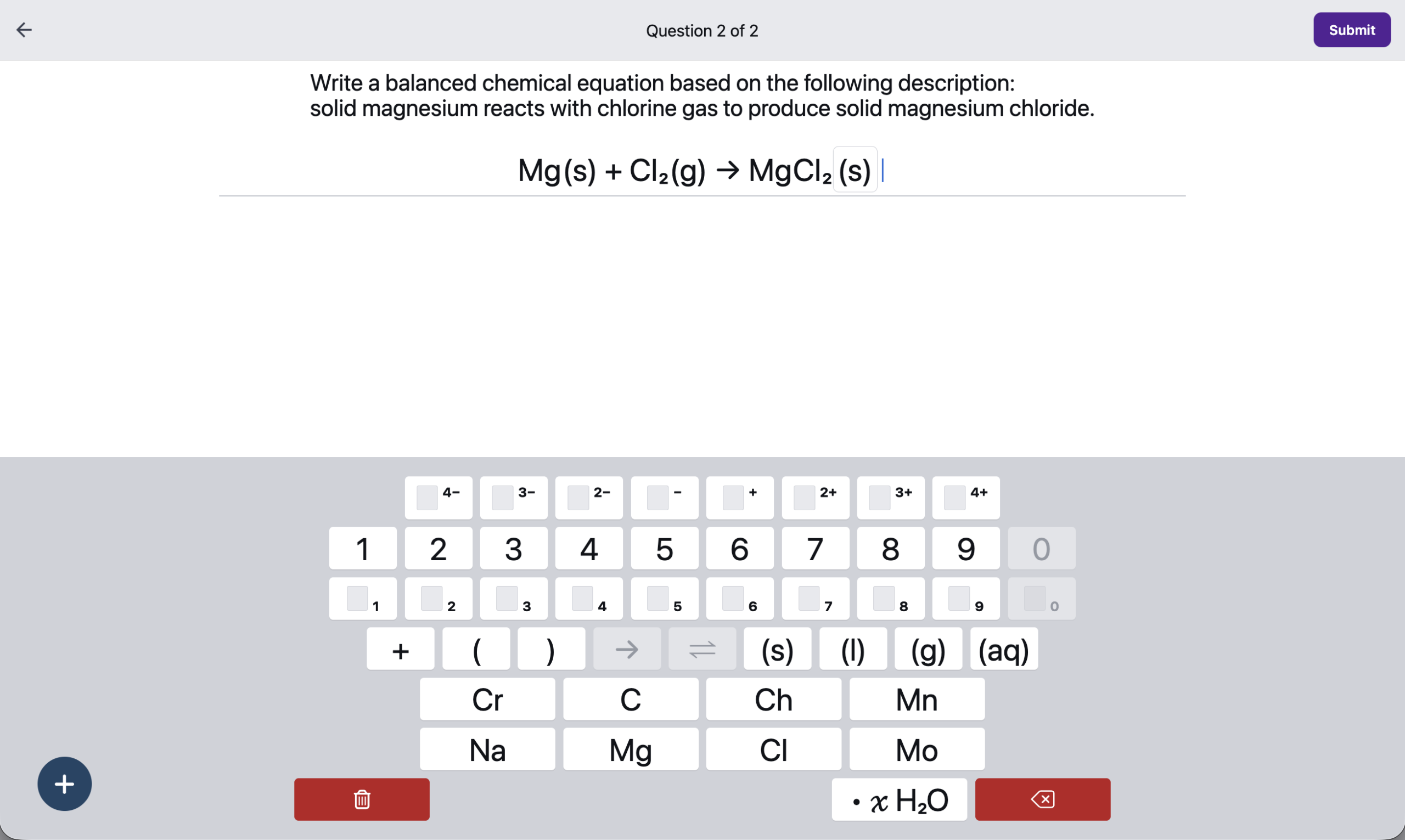
Allow students to focus on chemistry and not syntax errors by easily writing chemical nomenclature and equations with smart suggestions. Supports both inorganic and organic compounds.
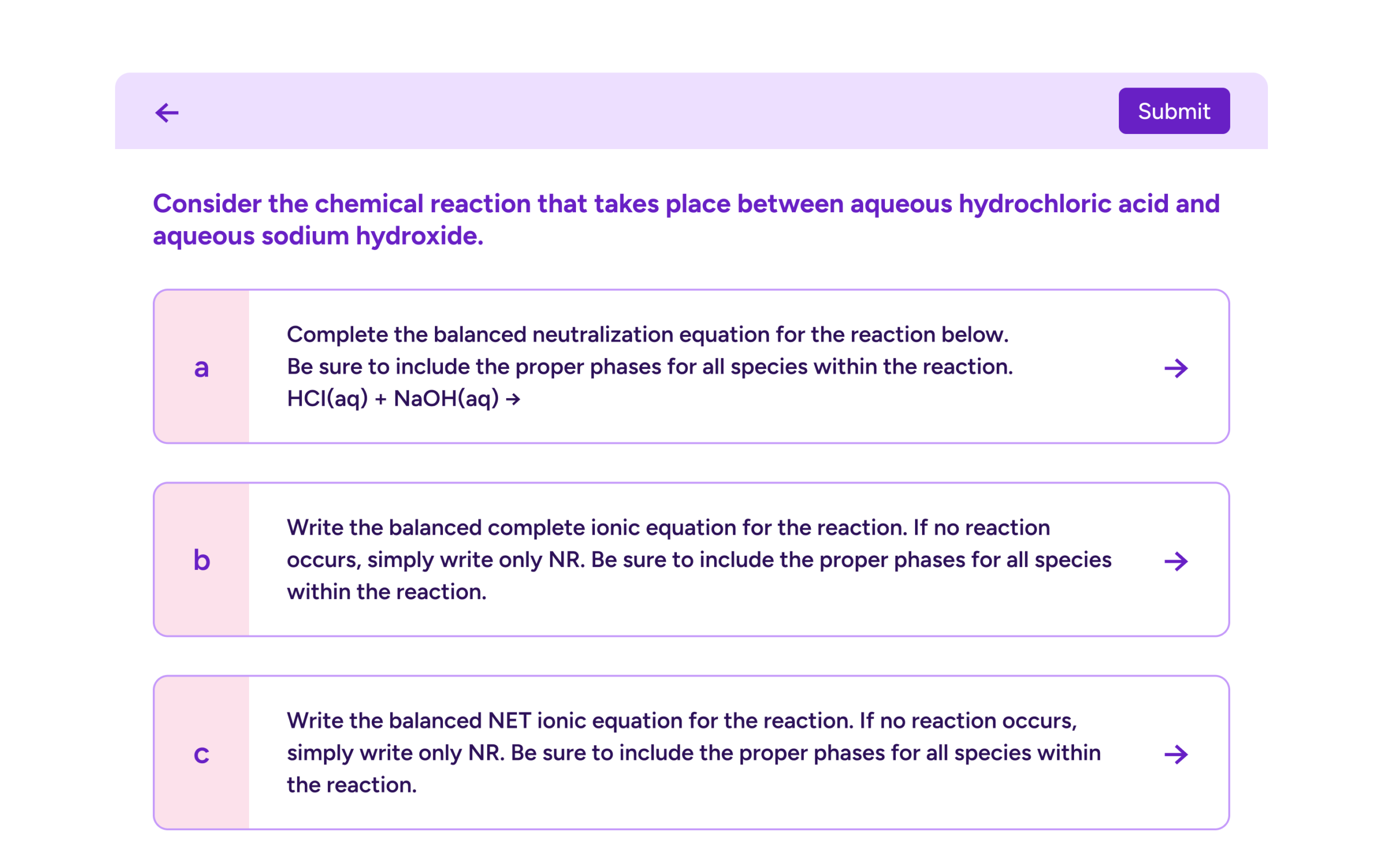
Chemical Equations & Reactions
Smart suggestions handle syntax so students can focus on learning chemistry. Aktiv helps students reach mastery with exercises on balancing reactions, net ionic equations, acid-base reactions, redox reactions and much more.
Show Work
Turn on “Show Work” for numeric or multiple choice questions, and students are prompted to upload a photo of their scratch work.
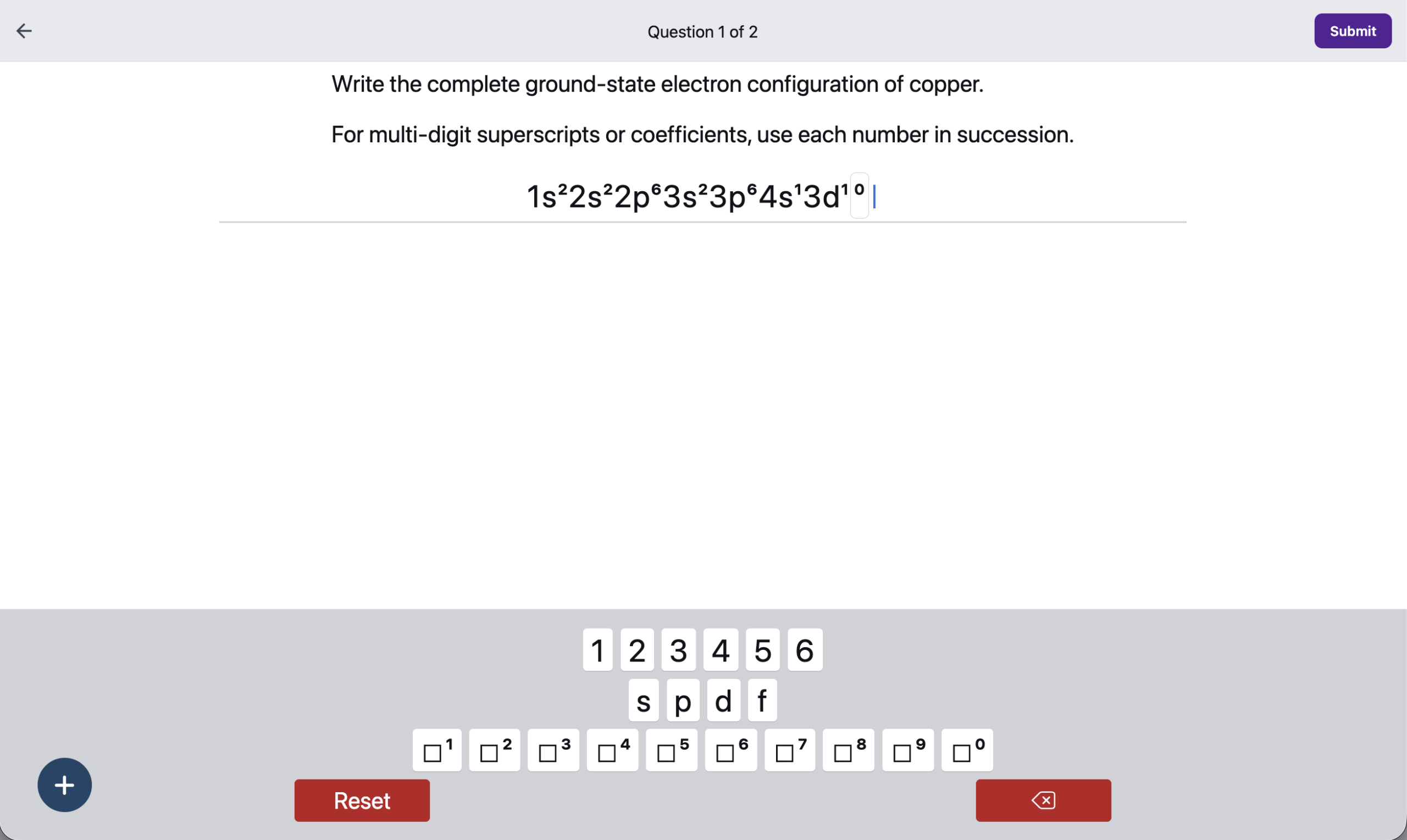
Electron Configurations
Smart suggestions handle syntax so students can focus on learning chemistry. Aktiv helps students reach mastery with exercises on balancing reactions, net ionic equations, acid-base reactions, redox reactions and much more.
Equilibrium Calculations
It’s easy to input and grade multiple steps of chemical, weak acid-base, and solubility equilibria problems.
Q: Determine the moles of AlCl3 produced when 4.75 grams of Cl2 reacts with Al according to the following reaction:
2Al(s) + 3Cl2(g) → 2AlCl3(s)
Your submission:
4.75
gCl2
Starting Amount
X
1
mol Cl2
70.91
gCl2
X
3
mol AlCl3
2
mol Cl2
=
4.75
gCl2
Feedback
Your mole ratio between mol AlCl3 and mol Cl2 in your second conversion factor is incorrect. There are 2 mol of AlCl3 per 3 mol of Cl2. Reconsider the coefficients in the given balanced chemical equation and also the placement of values in your mole ratio and then try again.
Q: Draw the Lewis structure for sulfite (SO32−) with minimized formal charges. Does this ion exhibit resonance?
Try Again!
You have submitted an incorrect structure due to a violation of the octet rule. Oxygen cannot have less than 8 valence electrons.
Your submission:
Instant, targeted feedback on General Chemistry questions
Feedback follows a consistent, informative tutoring approach, helping students identify specific misconceptions.
LEWIS STRUCTURES
Flags errors in the octet rule, valence electron count, formal charges and skeletal structure.
DIMENSIONAL ANALYSIS
Identifies common mistakes like inverted conversion factors, wrong units and calculation errors.
CHEMICAL EQUATIONS
Gives feedback on incorrect equation balancing, states of matter and atomic ratios.
Prepare students for General Chemistry exams
Move beyond guided practice with multi-part and challenge questions that connect concepts and apply them to real-world scenarios.
Success Story
Educators at more than 720 institutions choose Aktiv Chemistry to engage students in and out of the classroom. Here’s the impact of Aktiv in the General Chemistry 1 and 2 classroom.
Seamless OpenStax Chemistry and Atoms First, 2e integration
Links from Aktiv problems to relevant content in OpenStax Chemistry and Chemistry: Atoms First, 2e, give students easy access to readings that reinforce key concepts.
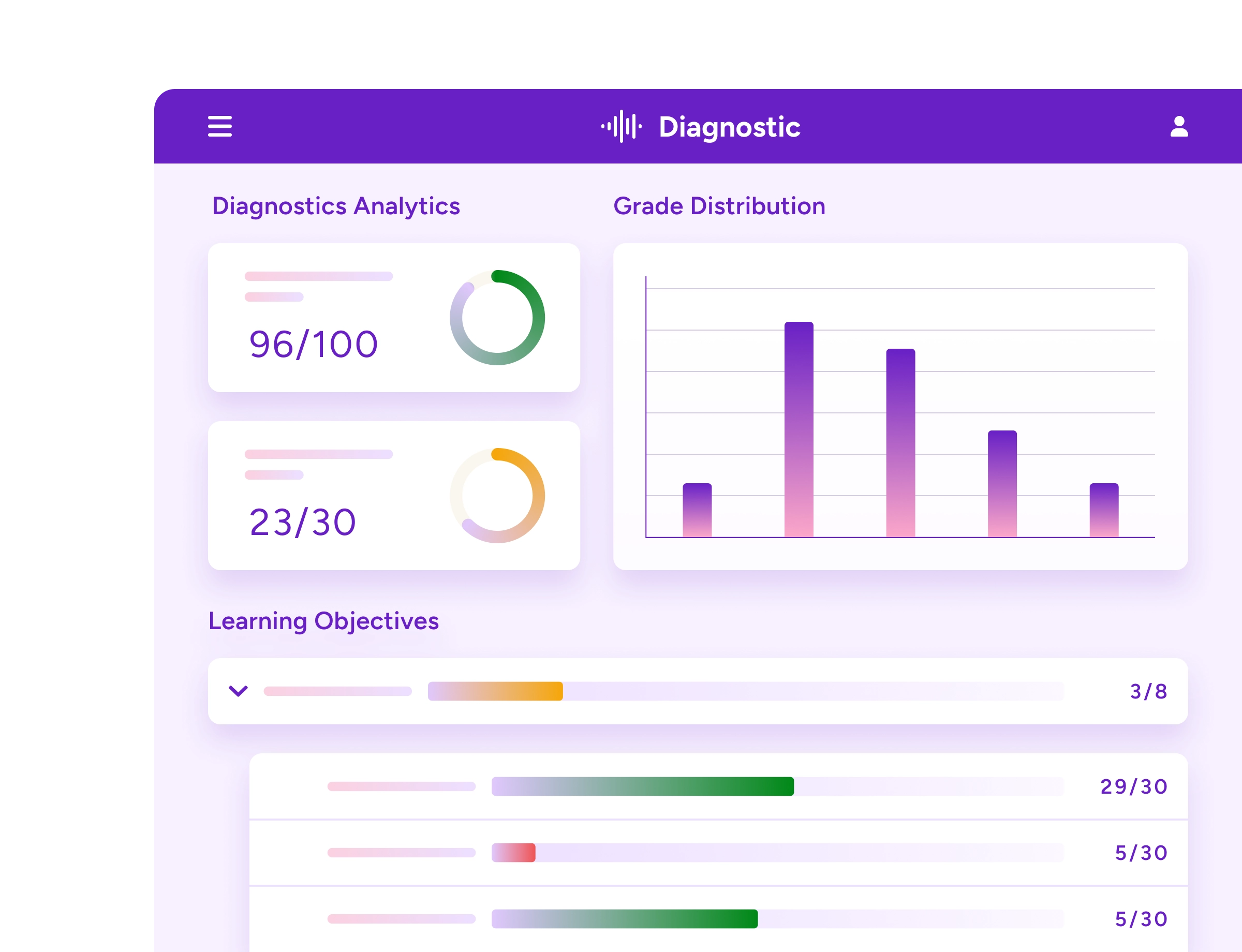
Diagnose and remediate knowledge gaps with Chemistry Readiness
Identify gaps in prerequisite knowledge and automatically deliver personalized practice tailored to your course objectives. Included with new Aktiv Chemistry adoptions.
Aktiv Chemistry is built to strengthen student confidence in chemistry. It is an online platform that offers auto-graded homework, in-class activities, practice problems, and quizzes from an extensive question library.
What topics does Aktiv Chemistry cover in General Chemistry 1 and 2?
Aktiv Chemistry supports all units and topics in a traditional General Chemistry sequence, from stoichiometry, atomic structure and chemical bonding to thermochemistry, equilibrium, acid-base chemistry and electrochemistry. It works for General Chemistry 1 and 2, whether you teach in person or online, lecture or flipped.
Does Aktiv Chemistry work with OpenStax Chemistry: Atoms First?
Yes. Aktiv is an OpenStax partner, and Aktiv problems link directly to the relevant content in OpenStax Chemistry and Chemistry: Atoms First, 2e. Students get free, one-click access to the reading when they need it. Aktiv also integrates with Top Hat Interactive eTexts.
What general chemistry practice problems and exam questions can I assign?
You can build general chemistry homework, practice problems, in-class activities, quizzes and exams from an extensive library of auto-graded questions covering every topic in the course. Questions range from scaffolded practice to multi-part and challenge questions that help students prepare for general chemistry exams. For quizzes and exams, algorithmic problems and question pools randomize what each student sees, and optional integrated Proctorio online proctoring adds another layer of exam security. You can also write your own questions with targeted feedback, and turn on Show Work so students upload their scratch work with their answer.
How does Aktiv help students with Lewis structures, dimensional analysis and equilibrium?
Each topic has an interactive question type built for it, and every question gives targeted feedback instead of just marking an answer wrong.
Lewis structures: Students draw structures and visualize VSEPR. Feedback flags errors in the octet rule, valence electron count, formal charges and skeletal structure.
Dimensional analysis: Students use drag-and-drop tiles to set up scaffolded conversions with units, stoichiometry, densities and concentrations. Feedback flags inverted conversion factors, wrong units and calculation errors.
Equilibrium: Students work through chemical, weak acid-base and solubility equilibrium problems step by step, with feedback along the way.
Which LMS does Aktiv work with?
Aktiv Chemistry’s roster and gradebook sync with major LMSs, including Canvas, Blackboard, Moodle and D2L Brightspace. You can customize the gradebook columns to separate assignment types, show individual assignments or display summary columns. Every Aktiv Chemistry instructor also works with a member of our Success Team, who helps with course setup and LMS integration.
Do I need to change my textbook to use Aktiv Chemistry?
No. Aktiv works with any general chemistry textbook, so you can keep the one you already use and build assignments by choosing problems from the library. If you want a built-in option, Aktiv integrates with free OpenStax Chemistry and Chemistry: Atoms First, 2e, plus Top Hat Interactive eTexts.
LEARN MORE
Speak to a Specialist
One of our Learning Specialists will give you a tour of the Aktiv Chemistry learning platforms and provide a free instructor playground account with access to the content library.
Learn More
Speak to a Specialist
One of our Learning Specialists will give you a tour of the Aktiv Chemistry or Aktiv Mathematics learning platforms and provide a free instructor playground account with access to the content library.